Carpooling App Development Blueprint: From MVP to Market Leader
- oliviasumiths1902
- Mar 3
- 5 min read

Urban congestion, rising fuel prices, environmental concerns, and evolving commuter expectations have collectively accelerated the demand for carpooling app development. Cities worldwide are encouraging shared mobility solutions to reduce traffic density and carbon emissions. Consumers, especially millennials and Gen Z, increasingly prefer cost-efficient and eco-conscious travel options over private vehicle ownership.
Carpooling platforms bridge the gap between individual vehicle owners and daily commuters seeking affordable rides. Unlike traditional taxi platforms, carpooling focuses on route-sharing among users traveling in the same direction. This reduces transportation costs while maximizing vehicle utilization.
For startups and enterprises entering this space, a structured development blueprint is essential. From defining your MVP to scaling into a market-leading platform, strategic planning determines long-term success.
Defining the Core Business Model Before Development Begins
Before writing a single line of code, defining the business model is critical. A successful carpooling platform is not just a technical product but a mobility ecosystem.
Choosing the Right Carpooling Model
There are several models to consider:
Peer-to-peer daily commute sharing
Long-distance ride matching
Corporate carpooling solutions
Campus-based carpooling networks
Event-based carpooling
Each model has different technical and operational requirements. For example, corporate carpooling demands admin dashboards and analytics, while long-distance ride matching requires dynamic pricing and flexible scheduling.
Revenue Streams for Carpooling Platforms
Common monetization strategies include:
Commission per ride
Subscription plans
Corporate contracts
Featured ride listings
In-app advertisements
Selecting a clear monetization strategy early helps shape architecture, payment integrations, and analytics systems.
MVP Strategy: Building the Minimum Viable Carpooling App
The MVP phase focuses on launching quickly with essential features while validating product-market fit.
Essential MVP Features for Riders
User registration and profile management
Ride search with filters
Real-time ride matching
In-app chat
Secure payment gateway
Ratings and reviews
Ride history
Essential MVP Features for Drivers
Driver registration and KYC verification
Ride posting and schedule management
Earnings dashboard
Route optimization
Wallet and payout management
Admin Panel Capabilities
User management
Ride monitoring
Commission management
Analytics dashboard
Dispute management
An experienced ride sharing app development company can help prioritize features that reduce development cost while preserving scalability.
Technology Stack Required for Scalable Carpooling App Development
Technology decisions during MVP stage determine whether the platform can scale efficiently.
Frontend Technologies
Flutter or React Native for cross-platform apps
Swift for iOS
Kotlin for Android
Backend Technologies
Node.js or Django
RESTful APIs
Microservices architecture
Database
PostgreSQL
MongoDB
Real-Time and Location Services
WebSockets for live tracking
Google Maps API for navigation
Geo-fencing for smart ride matching
Cloud Infrastructure
AWS
Microsoft Azure
Google Cloud Platform
Using a microservices-based cloud architecture ensures horizontal scalability as user base grows.
Designing an Intelligent Ride Matching Algorithm
Ride matching is the core differentiator in carpooling app development. Unlike ride-hailing platforms, carpooling depends heavily on route overlap optimization.
Key components include:
Route similarity index
Time window matching
Seat availability management
Cost-sharing calculation
Distance deviation tolerance
Machine learning can enhance match accuracy by learning from historical ride patterns, cancellation behavior, and user preferences.
Learning from Global Market Leaders in Shared Mobility
Studying established players offers valuable strategic insights.
BlaBlaCar

BlaBlaCar focuses on long-distance carpooling across multiple countries. Its success lies in trust-building mechanisms, identity verification, and transparent pricing models. The platform emphasizes community and user verification.
Uber
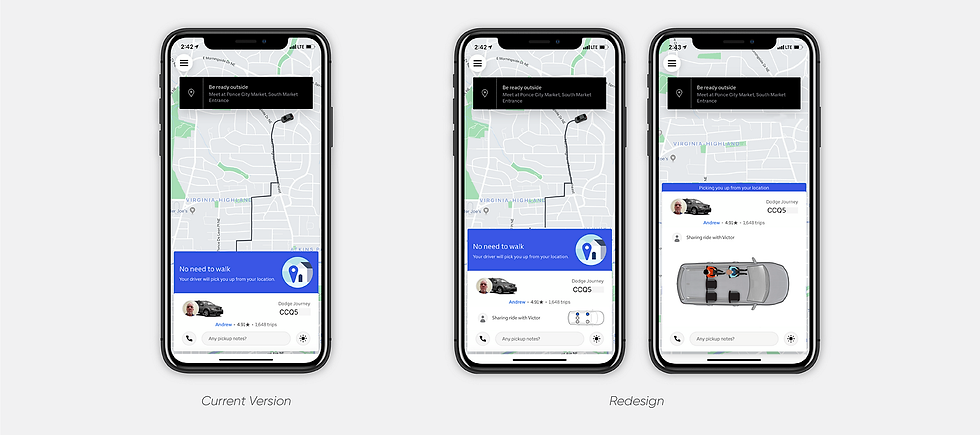
Uber introduced ride-sharing concepts through Uber Pool. Although primarily a ride-hailing service, it demonstrated how route optimization and dynamic pricing could enhance shared rides.
Lyft

Lyft’s shared ride feature integrates seamless UX and flexible pricing strategies. The company focuses on safety and driver incentives to maintain service reliability.
Analyzing these platforms helps identify competitive positioning strategies.
Ensuring Trust, Safety, and Regulatory Compliance
Trust is the foundation of any carpooling ecosystem.
Identity Verification
Government ID verification
Facial recognition
Phone and email authentication
In-App Safety Features
SOS emergency button
Live ride tracking
Ride sharing with contacts
Driver background checks
Legal and Compliance Requirements
Depending on geography, regulations may require:
Transport permits
Insurance compliance
Data protection adherence
Local taxation compliance
Early legal consultation prevents operational setbacks.
UI/UX Design That Encourages Ride Adoption
Carpooling success depends on intuitive and frictionless design.
Key UX Principles
Minimal onboarding steps
One-click ride search
Transparent pricing display
Clear route visualization
Simple cancellation flow
Heatmaps and user testing during MVP phase can significantly improve retention metrics.
Scaling from MVP to Market Leader
Once product-market fit is validated, scaling becomes the focus.
Expansion Strategies
Geographic expansion
Corporate partnerships
Subscription-based commuter plans
API integrations with public transport
Advanced Features for Growth
AI-based ride prediction
Smart surge balancing
Carbon footprint tracking
Loyalty programs
Data Analytics and Optimization
Leveraging data for:
Demand forecasting
Peak-hour optimization
Driver incentive planning
Fraud detection
A capable ride sharing app development company can transition architecture from MVP to enterprise-grade infrastructure smoothly.
Cost Breakdown of Carpooling App Development
The cost varies based on complexity and region.
MVP Development Cost
Basic MVP with core features may range from $5,000 to $10,000.
Full-Scale Platform Development
Enterprise-level solutions with AI and scalability features can range from $10,000 to $25,000 or more.
Cost Influencing Factors
Platform (iOS, Android, Web)
Real-time matching complexity
Security integrations
Third-party API usage
Cloud hosting expenses
Maintenance and updates
Partnering with an experienced ride sharing app development company ensures cost transparency and long-term ROI.
Marketing Strategy for Carpooling App Launch
Building the app is only half the journey.
Pre-Launch Strategy
Beta user acquisition
Corporate tie-ups
Campus ambassador programs
Post-Launch Growth
Referral programs
Influencer partnerships
Performance marketing campaigns
Community building
Local hyper-targeted marketing often works better than national campaigns in early stages.
Maintenance, Upgrades, and Continuous Innovation
The shared mobility market evolves rapidly. Continuous improvement is essential.
Ongoing Improvements
App performance optimization
Security updates
Feature enhancements
UI refinements
Innovation Opportunities
Electric vehicle integrations
Smart city data partnerships
Blockchain-based ride verification
Predictive traffic integration
Consistent innovation ensures competitive positioning.
Common Challenges in Carpooling App Development and How to Overcome Them
Low User Adoption in Early Stages
Solution: Incentivize early adopters and focus on niche communities.
Ride Cancellations
Solution: Implement cancellation penalties and reward reliability.
Route Mismatch
Solution: Improve matching algorithm precision and real-time recalculations.
Driver Retention
Solution: Offer flexible incentives and transparent earning models.
Proactive problem-solving ensures sustainable growth.
Conclusion
Carpooling app development is more than creating a transportation platform; it is about building a scalable mobility ecosystem that balances technology, trust, and community engagement. From defining your MVP to scaling with AI-powered optimization and data-driven insights, every stage requires strategic planning and robust technical execution. Partnering with a skilled ride sharing app development company ensures that your solution evolves from a minimum viable product into a market-leading platform capable of transforming urban mobility.
Frequently Asked Questions
What is the difference between carpooling and ride-hailing apps?
Carpooling apps focus on shared routes where users traveling in the same direction share costs, whereas ride-hailing apps provide dedicated rides for individual users.
How long does carpooling app development take?
An MVP typically takes three to five months, while a fully scalable enterprise platform may require six to twelve months depending on feature complexity.
What technologies are best for building a scalable carpooling app?
Cross-platform frameworks like Flutter or React Native combined with Node.js backend and cloud-based infrastructure are commonly used for scalable solutions.
How can a startup compete with established ride-sharing companies?
Startups can focus on niche markets, corporate solutions, localized communities, and superior user experience to differentiate themselves.
Why should I hire a ride sharing app development company instead of building in-house?
An experienced development partner provides industry expertise, proven architecture frameworks, scalability planning, and faster time-to-market while minimizing technical risks.


Comments